
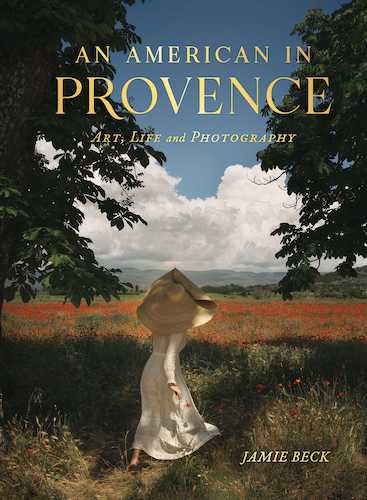
 Back in late April or early May, I spent an evening out with some friends that culminated in a trip to Barnes & Nobles. We all wandered separately to our various interests in the store, meeting back up and separating again at points as the store wound down toward closing time. I walked over to the photography section, curious what kinds of books it would have. The last time I looked there, it was for a particular instruction book several years back, and the section was poorly stocked and heavily out of order. Not much had changed, so I focused on the large coffee-table type books. Most were from photographers you see everywhere, like Ansel Adams, or they featured gritty, newsworthy-type photography. Not interested. I wanted a more human element, which led me to pulling this book off the shelf and flipping through some of the imagery.
Satisfied that this was a book I wanted to study more in depth, but not wanting to necessarily own it, I did a quick check at my library to assure they had it. That done, I added it to my TBR and went on my way, only putting the book on hold after my vacation was over.
What I didn’t realize from my quick glimpse through the book at B&N was that this was not just a photography book. The copy – which I expected to be about the photos, and in minimal amounts – was 75% memoir. The other 25% was made up with photography tutorials, recipes, and a few other random instructional tidbits. Now, y’all know I’m not a memoir person, so I was definitely less interested in those parts, but at least it was a simple story focus: The author, Jamie Beck, chose to move to Provence for a year, and this is the narrative of how that worked and how it affected her life (and photography) moving forward.
Because my read through the copy was a bit skimmed, I can’t pinpoint exactly if Beck ever addressed this, but being able to move to another country takes an enormous amount of privilege. I’m not talking about refugee situations where you’ve already lost everything and are fleeing worse. But upending your life and career – having the wealth to do so and a career that will survive, or having a career that will support such a move – is pure privilege. Beck talks a lot about her gratitude for being able to do this, and the difficulties in doing it, but I’m not sure she spends an equal amount of time acknowledging the privilege that made this possible. Again, I spent far more time on the photography than the copy, so that may be a false impression. However, as I’ve gotten older, I’ve tried to be more aware of privilege in my reading, especially in reading nonfiction, and my general impression was of “blessed” and not “privileged,” if that makes sense.
Interesting to note: I preferred the photography in the first half of the book to the second. I have no idea if the photography was arranged to show the development of her new style, but it felt that way, and I liked the “earlier” work better. But it’s also possible that the photography was arranged by season, like the book, and the book started in autumn, my favorite, and cycled through the year into my 2nd fave, 3rd, and last. The photos from spring and summer felt so lifeless and oppressive, even as they showcased bright flowers and sun. I just prefer the timbre and feel and sheer life that exists in autumn and winter. So maybe that’s all it was. In any case, most of the photography was beautiful, and I appreciated going through that part the book, even if it was not what I expected.



 The Zen Leaf
Pingback: Wellness Wednesday – Precipice | The Zen Leaf