
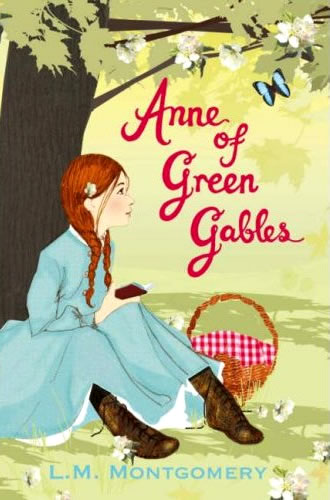
 I’m sure most people know what Anne of Green Gables is about already, but just in case, this is the story of an orphan girl taken in by an older couple. She’s a bit wild and fanciful, but also eager to please. This is a long series and this particular book takes Anne up through her late teens.
I’ve had a prejudice against reading this book since I was little, because I thought it would be too much like what my cousin always termed “home-spun dresses in the fields” books. I finally decided to break that prejudice, though. As an adult, reading this was an okay experience, but nothing special. I can tell it’s the sort of book that has a lot more magic to it when you’re a child. The ironic thing is that I can also tell that had I read this as a child, I would have hated it, not loved it. So sadly, there really was no way for me ever to love this book or want to read more into the series. It’s certainly not bad and I didn’t mind reading it, but I’m well past the age to really relate with it now. I’m glad I read it, though, so that I’m not walking around with a blind prejudice, or really even with any prejudice at all anymore. I no longer dislike or feel scornful towards the book. I just don’t feel anything else really, either.
One interesting thing to note, though – I paid attention to Anne’s age progression from preteen to late teenager, particularly because of what I’ve noticed in other classic coming of age novels, and Anne does feel like she grows up. She feels far more naive than today’s teenagers, but of course that’s exactly what I’d expect from a poor, rural girl from her time period. Naivety is not the same thing as immaturity. Even though Anne was only 16-17 at the end of this book, she felt far older than the narrators in I Capture the Castle or Daddy Long Legs, both of whom are older than her. This again makes me wonder if there are cultural differences either in teens or in authors’ perception of teens from those time periods.




 The Zen Leaf